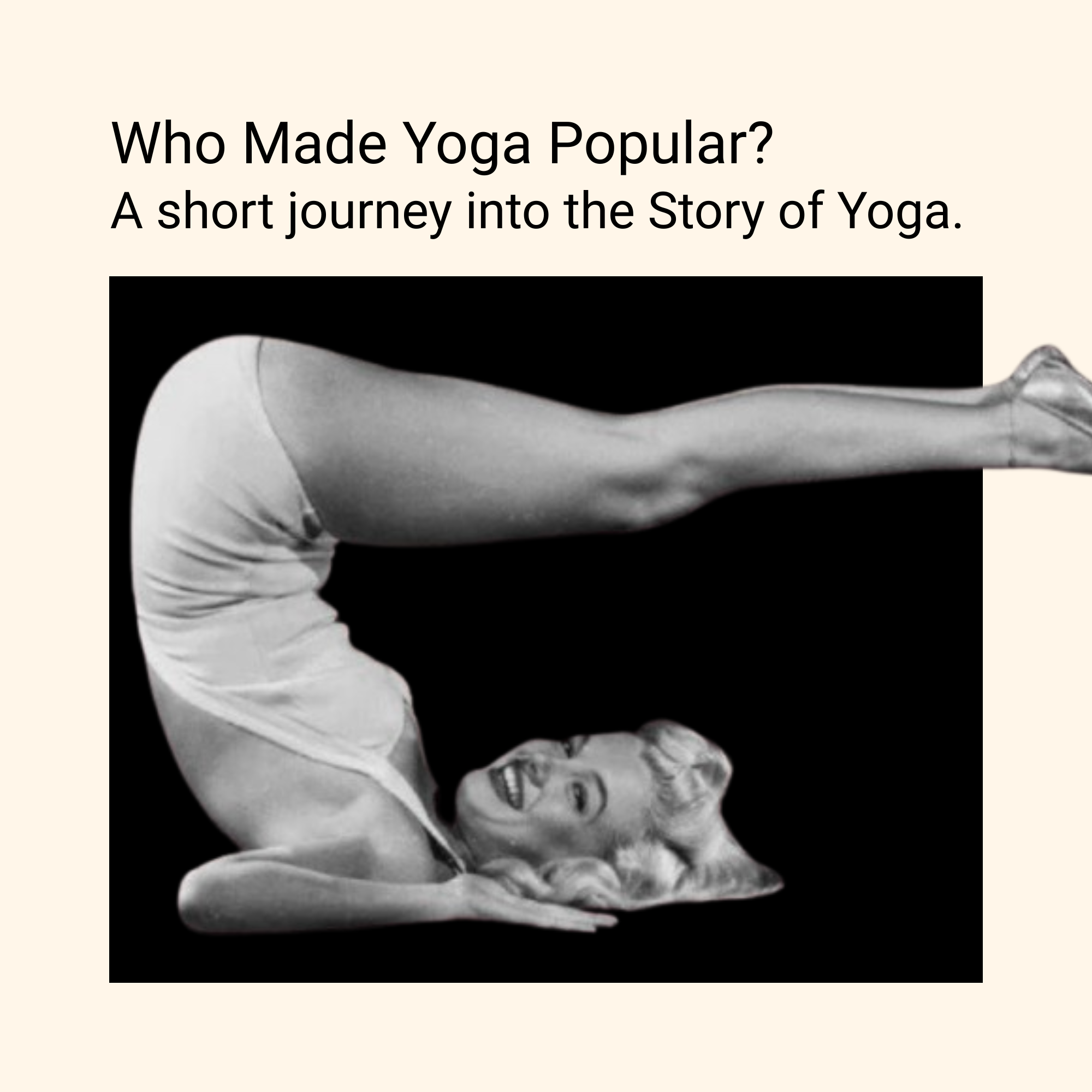
A short journey into the Story of Yoga.
Yoga today is everywhere. You can find it in gyms, studios, living rooms, or on Social Media.
Historically, yoga was not easily accessible to everyone. It was a disciplined practice, passed privately from teacher to student, sometimes in secrecy. Back then, Yoga was about liberation, not lifestyle. Postures were only a small part of a larger system focused on the mind, ethics, breath, and self-reflection.
How did such an inward practice become popular around the world?
Yoga’s popularity began when Indian teachers started introducing it to Western audiences in the late 19th and early 20th centuries. Figures like Swami Vivekananda shared yoga philosophy not postures with Europe and the United States.
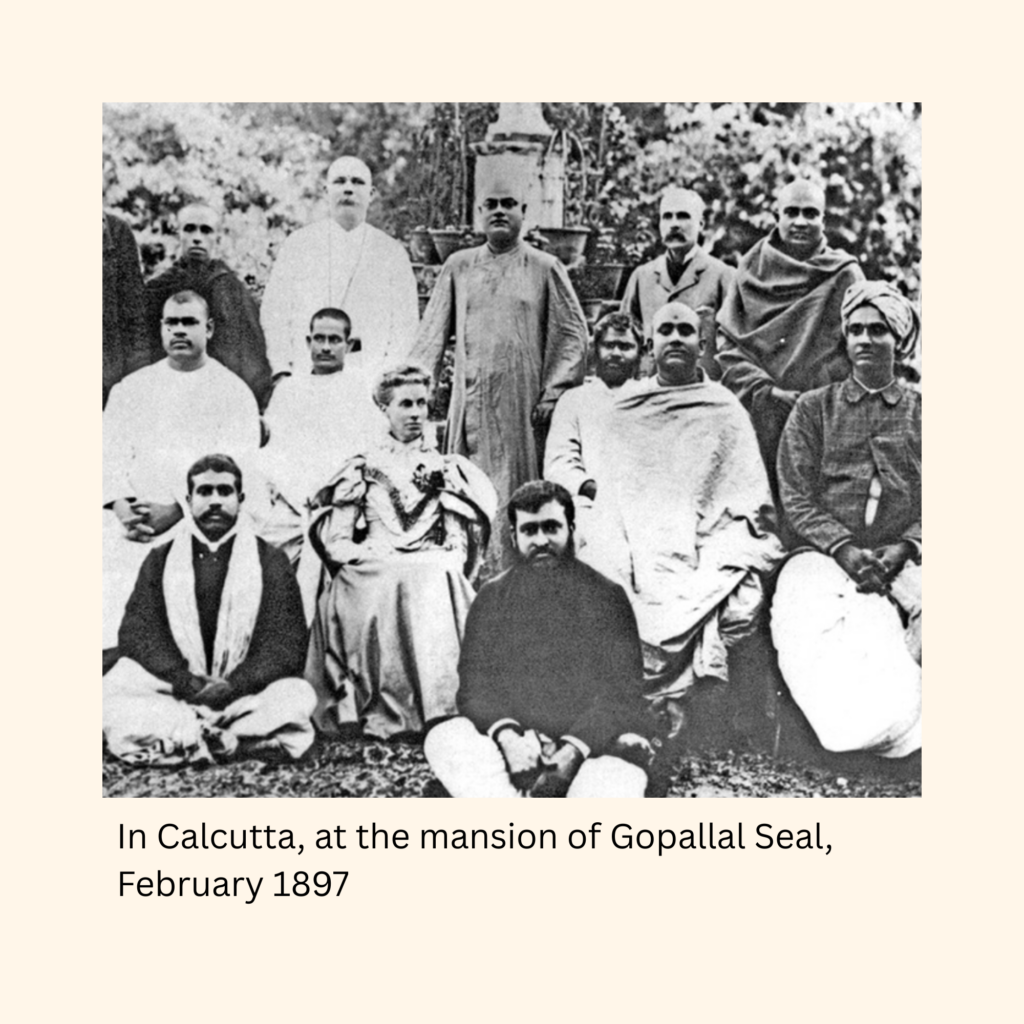
Here is the twist. Yoga had to adapt. Western audiences were not very interested in giving up comfort, practicing strict discipline, or following spiritual austerity. They wanted something practical, rational, and compatible with modern life.
The Body Takes Over
Teachers like T. Krishnamacharya, often called the “Father of Modern Yoga,” and his students, including B.K.S. Iyengar and Pattabhi Jois, focused on physical practice. Their approach was influenced by Indian wrestling, gymnastics, and Western fitness culture.
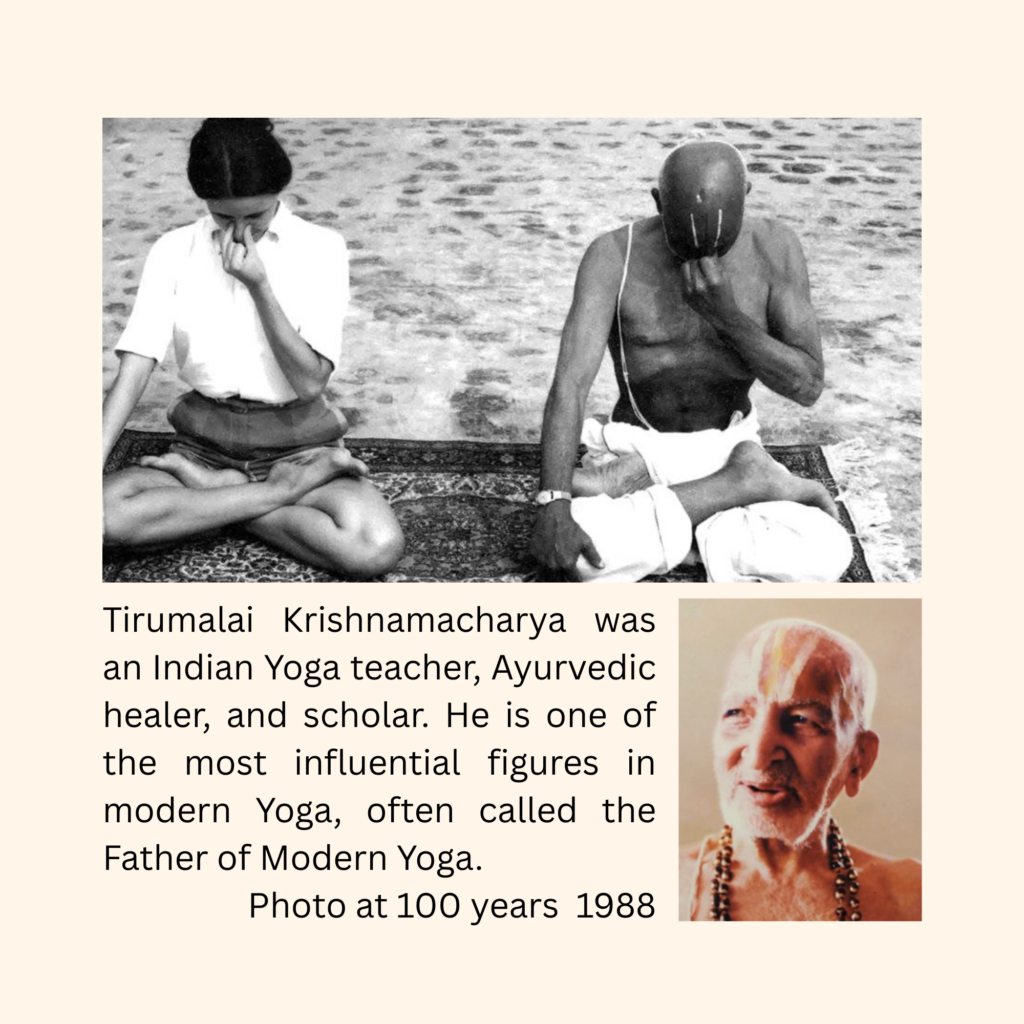
This was not the old, untouched yoga. It was reinvented, brilliant, creative, and strategic. The body became the doorway because the body was what people would show up for.
Capitalism did the rest. Yoga became popular not just for its depth, but because it was marketable. It offered self-improvement, calm, wellness, and spirituality without religion. Yoga became a business with studios, trainings, brands, and much more.
The Question That Matters Now
Is Yoga just a workout with spiritual vibes, or is it an honest practice that keeps your body strong, your mind clear, and connects you to something bigger?
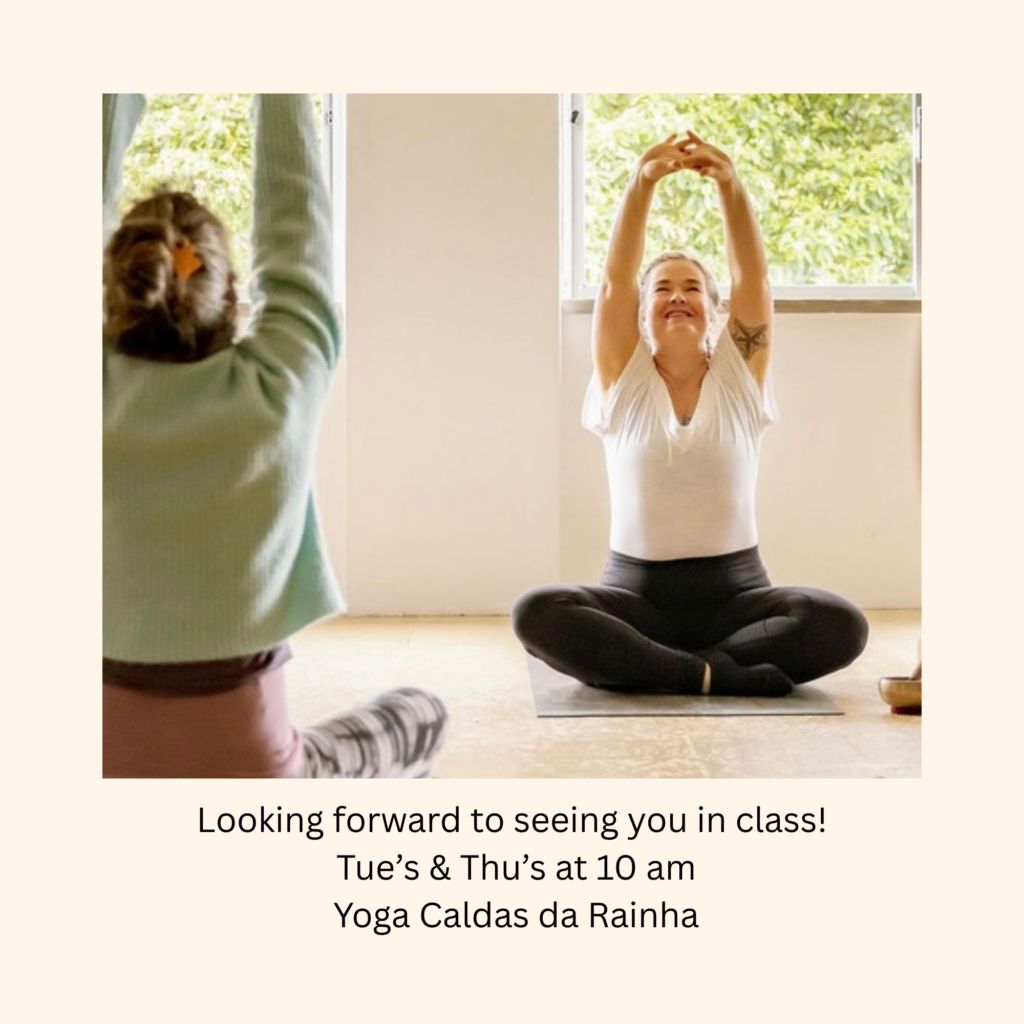
Enjoy your Yoga practice.
Namaste,
Andrea Stern