What Is a Mandala?
Hello,
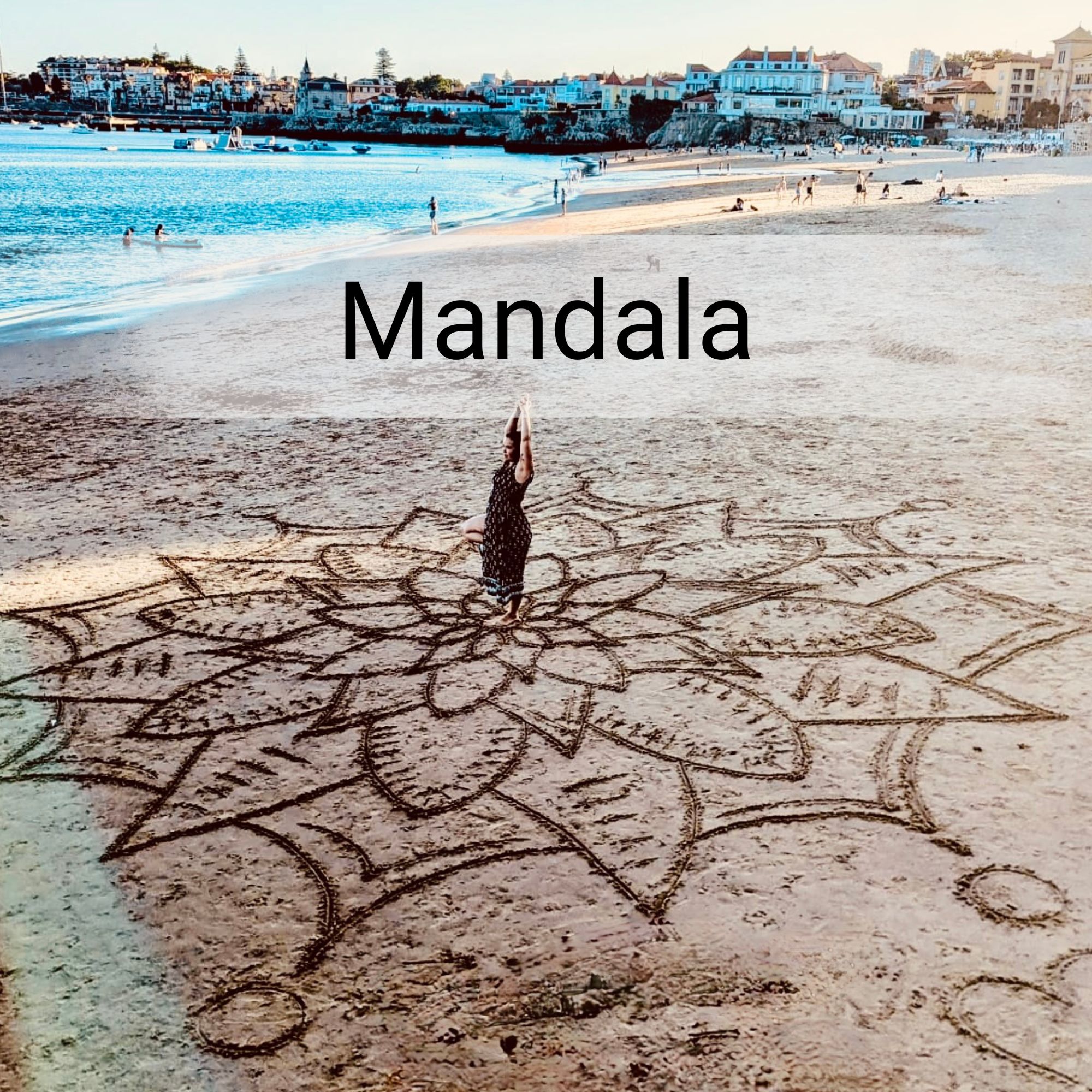
This weekend, I came across a beautiful sand mandala on Cascais beach. I’ve always found their floral, geometric patterns calming and fascinating, which made me wonder: What is a mandala?
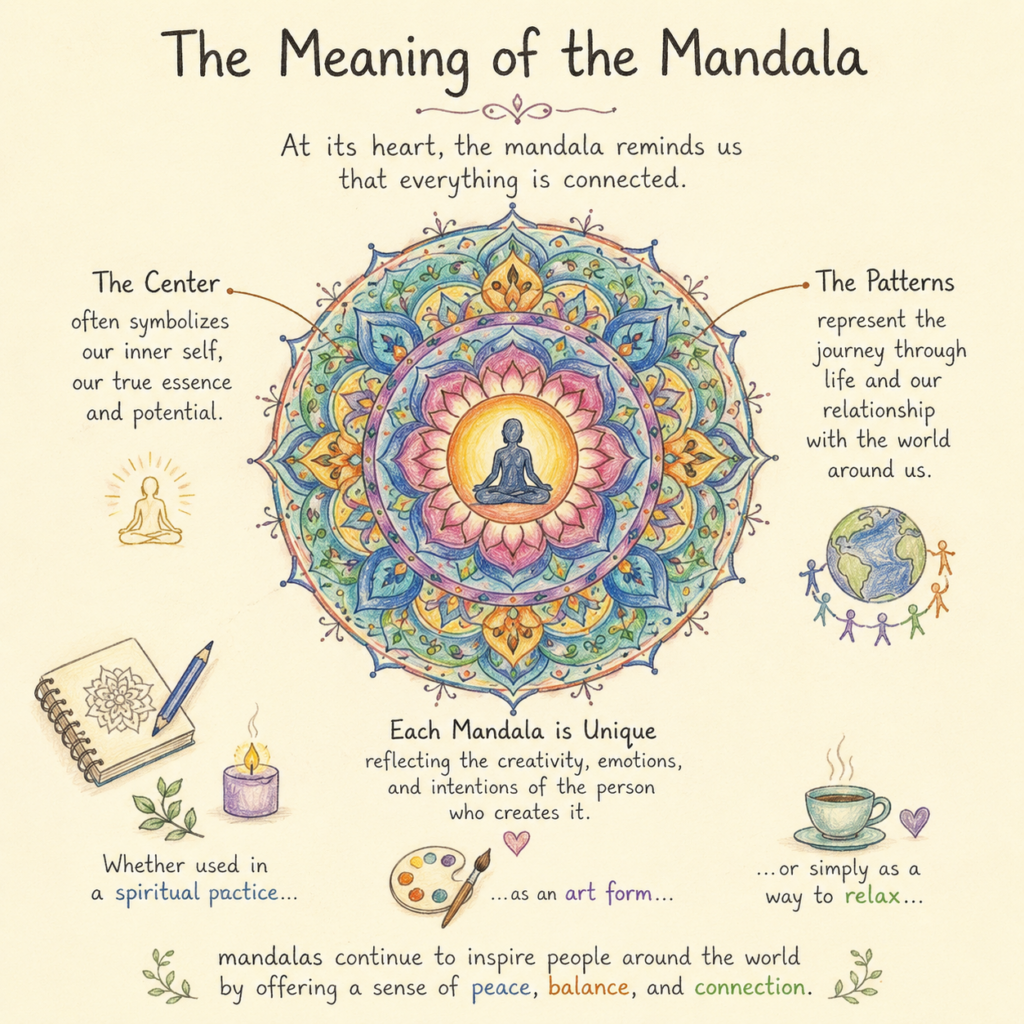
A mandala is a symbolic geometric design that represents wholeness, balance, and the interconnectedness of life. The word mandala comes from Sanskrit and means “circle.”
Its circular form reflects the natural cycles of life—the changing seasons, the rhythm of the breath, and the phases of the moon. It reminds us to move with change rather than resist it.
Origins:
Mandalas originated in India within Hinduism and were later adopted by Buddhism before spreading across Asia to places such as Tibet, Nepal, China, and Japan.
What’s fascinating is that similar circular symbols also appear in many other cultures—from Celtic art and Indigenous traditions to Native American medicine wheels and stained-glass rose windows—often representing unity, harmony, and the interconnectedness of life.
Why Were Mandalas Created?
Originally, mandalas were created as spiritual tools for meditation, prayer, and self-reflection. Their balanced, symmetrical patterns help focus the mind, encouraging stillness and inner awareness.
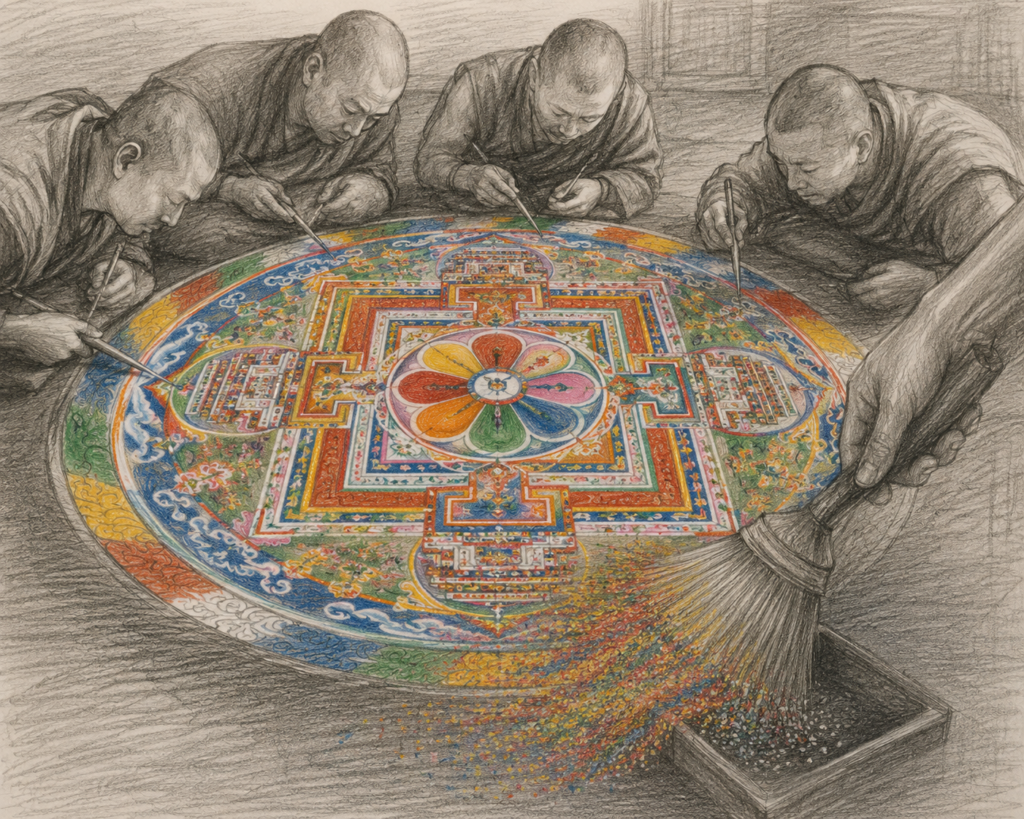
In Buddhist traditions, monks spend days or even weeks carefully creating intricate sand mandalas. Once completed, they are ceremonially swept away, reminding us of the impermanence of all things and the importance of letting go.
Today, mandalas are also widely used as a creative and therapeutic practice. Drawing, colouring, or painting a mandala can help reduce stress, improve concentration, and encourage mindfulness. The repetitive patterns invite us to slow down, be present, and express ourselves without judgment.
The Connection Between Mandalas and Yoga
Mandalas and yoga share the same intention: bringing the body, mind, and spirit into harmony. Both have their roots in the ancient traditions of India and encourage us to turn our attention inward, cultivating awareness, presence, and balance.
In yoga, we begin by focusing on the breath to find calm and presence. A mandala also has a central point from which everything unfolds. This centre can represent our inner self—the steady, quiet place within us that remains present even when life around us changes. Just as we return to the breath throughout our yoga practice, the mandala reminds us to return to our own centre.
Whether we practise yoga on the mat or create a mandala with pen, paint, or coloured pencils, both offer a gentle invitation to slow down, reconnect with ourselves, and experience the peace that comes from being fully present.
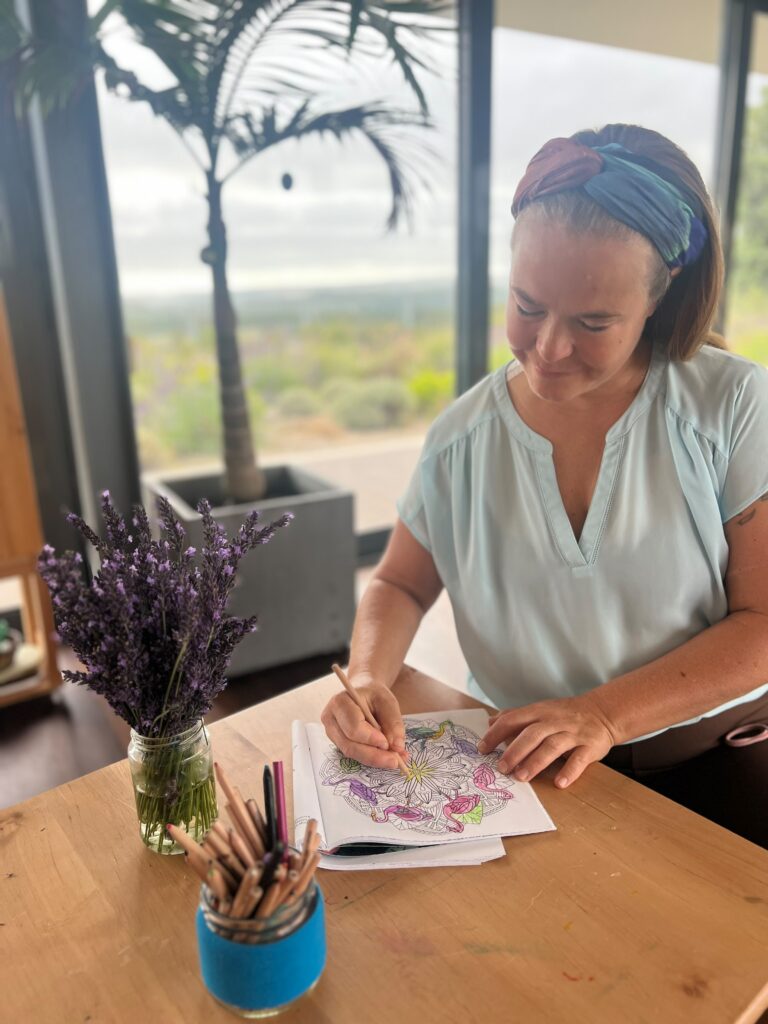
If you join our weekly yoga classes on Tuesdays or Thursdays at 10:00 am in Caldas da Rainha, I’ll be sharing a printed mandala for you to take home and enjoy colouring or drawing in your own time, a simple way to continue your mindfulness practice beyond the yoga mat 😉
I look forward to welcoming you to class.
Warm wishes,
Andrea Stern